Download for free
The point is to get readers and reviews

The novel is available and a key to success is readers and reviews.
To get a free copy of the book, just follow this link: (and please feel free to share)
https://booksirens.com/book/KA0AO5R/NTFY1P7
The following is a work-in-progress synopsis (without giving away some fun elements)
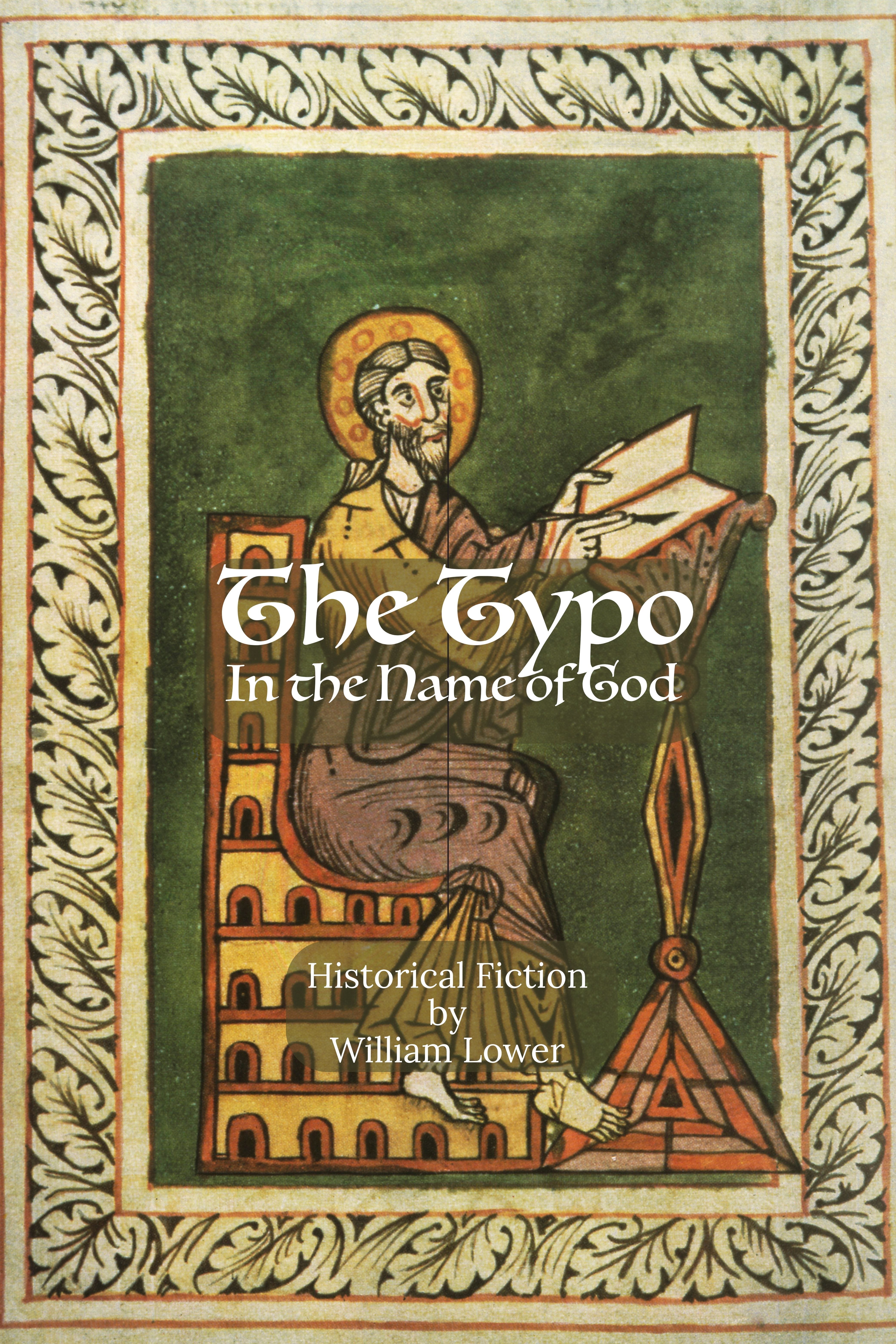
"The Typo: In the Name of God," is a historical satire set in Florence in 1461, centered around the introduction of the printing press and the fictional discovery of the world's first typo, found in a Gutenberg Bible.
The ensuing intrigue and journey connected to the correction of this error, the narrative weaves a complex plot involving several characters: Antonio Strozzi, a Florentine master manuscript illustrator who discovers the typo; Gabriele, the head of security for the San Miniato al Monte Monastery; Prior Lorenzo, a cunning and ambitious monk; Guglielmo, a homeless man used as a messenger; and others including monks, thieves, and clergy during their travels across Italy and into Germany.
Key Plot Highlights:
The story begins with Antonio, the monastery’s star manuscript illustrator discovering a typo in the Gutenberg Bible, specifically a lowercase "d" in the word "Deus" where it should be capitalized.
Antonio is tasked by the abbot of San Miniato al Monte Monastery to take the Bible back to Gutenberg in Mainz, Germany, accompanied by the monastery’s head guard, Gabriele, to have the mistake corrected. The irony is that the printing press will render Antonio’s profession as a manuscript illustrator, obsolete.
The narrative details Antonio's and Gabriele's journey, encountering various obstacles including thieves, internal Church politics, and conspiracies aimed at preventing the correction.
During their journey, Antonio becomes increasingly attracted to Gabriele and grows anxious over his attraction since such bonds are forbidden in the age of the Inquisition.
Gabriele senses Antonio’s growing attraction and also struggles with the developing relationship.
The Church’s role in controlling the dissemination and authenticity of scriptures is a central theme, with clerical figures plotting to maintain ecclesiastical control.
The journey includes intimate character development, swordsmanship lessons, interactions at inns and monasteries, and the influence of historical context such as the Inquisition and the Medici family.
A parallel subplot includes Guglielmo’s dangerous mission to deliver letters warning of conspiracies, aided by a healer named Seraphina.
The story explores themes of faith, power, truth, knowledge control, and personal loyalty.